
1Home Digest June '26: Memory, Motion & Matter

June was a month of AI everywhere, a big protocol upgrade on the horizon, and some moves in the industry that are worth keeping an eye on. Oh, and we shipped something useful. Let's get into it...
1Home Lua Variables: Your Scripts Now Have Memory
Our v5.4.0 release landed on June 12th with a feature Lua scripters have been waiting for: in-memory and persisted variables. That means your Lua scripts can now store data and recall it between runs - and even between reboots. Whether you want to count how many times a door opened today or remember the last known state of a device after a restart, it's now possible. A small but genuinely powerful unlock for automation logic.
Thread Direct: Setup Without a Border Router
One of Thread's most persistent pain points - buying a Thread device only to discover you need a border router you don't have - is finally getting a proper fix. The Thread Group announced Thread Direct, a feature expected in Thread 2.0 that lets iPhones and Pixel phones commission Thread devices directly, no border router required during setup. One will still be needed for full functionality (remote access, automations), but this removes the biggest first-run frustration in the ecosystem. A quiet but meaningful step forward.
Google Doubles Down on Gemini for Home
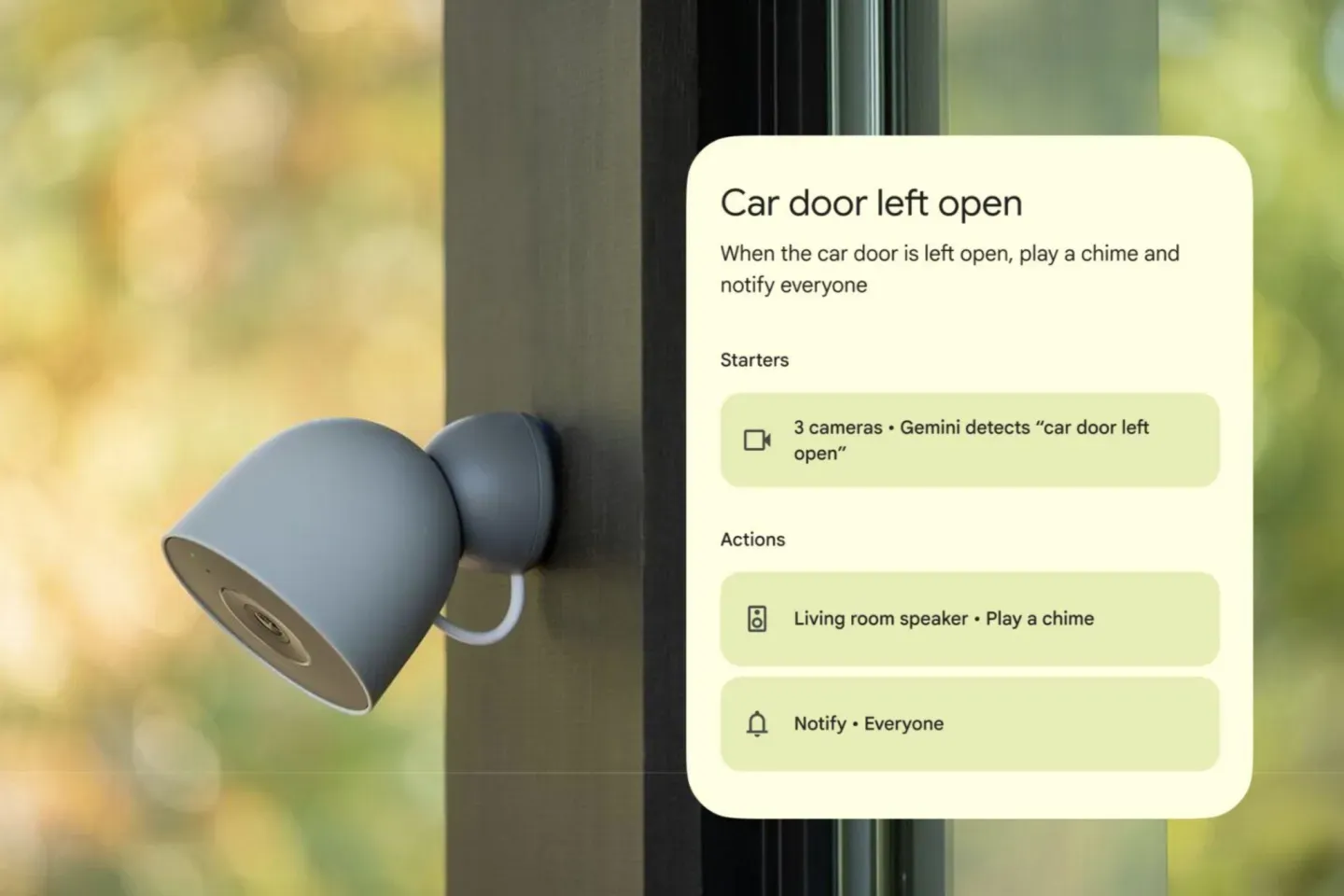
Google had a busy June on the home AI front. First, Gemini for Home picked up the ability to trigger automations from what your cameras actually see - describe an event in plain language ("raccoons near the trash bins", "white Honda in the driveway"), pick a camera, and let it fire a routine. It's currently US-only, English-only, and requires a $20/month Premium Advanced plan - but the direction is clear. Second, Google published 100 example voice commands for Gemini for Home on Nest speakers, which doubles as a useful snapshot of just how far conversational home control has come.
Samsung SmartThings Grows Up - and Then Puts Up a Paywall
SmartThings continued its push to become the most ambitious Matter platform around, adding Matter 1.5 support for window coverings, soil sensors, and irrigation systems, plus a new KNX integration through Schneider Electric's SpaceLogic range - notable because it takes SmartThings properly into commercial building automation territory. The less welcome news: Samsung announced it will start charging $5/month for SmartThings API access starting in October, affecting anyone using third-party tools like Home Assistant to control their Samsung devices. The open-source community was not impressed.
SmartThings ambitions · API paywall
SwitchBot Acquires Nanoleaf for $40 Million
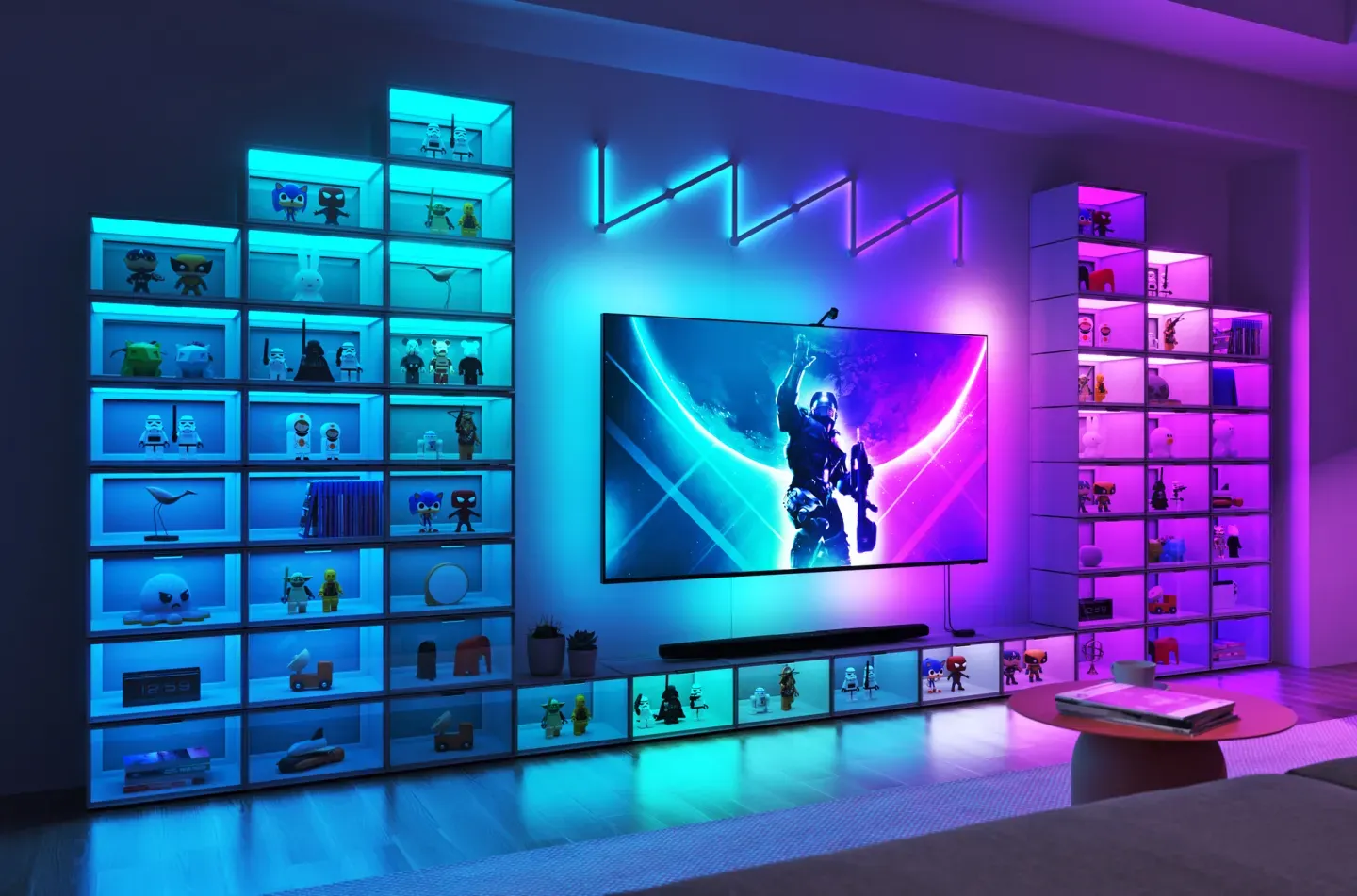
Two of the scrappier names in smart home just joined forces. OneRobotics, the parent of SwitchBot, acquired Nanoleaf outright for approximately $40 million - with both brands staying separate and Nanoleaf's founding team staying in place. The logic: SwitchBot brings manufacturing scale and supply chain; Nanoleaf brings retail presence, Matter/Thread expertise, and a track record of launching new categories. Both are also eyeing AI and robotics, which is increasingly where the smart home conversation is heading.
Your Old Washing Machine Can Be Smarter Than a New One
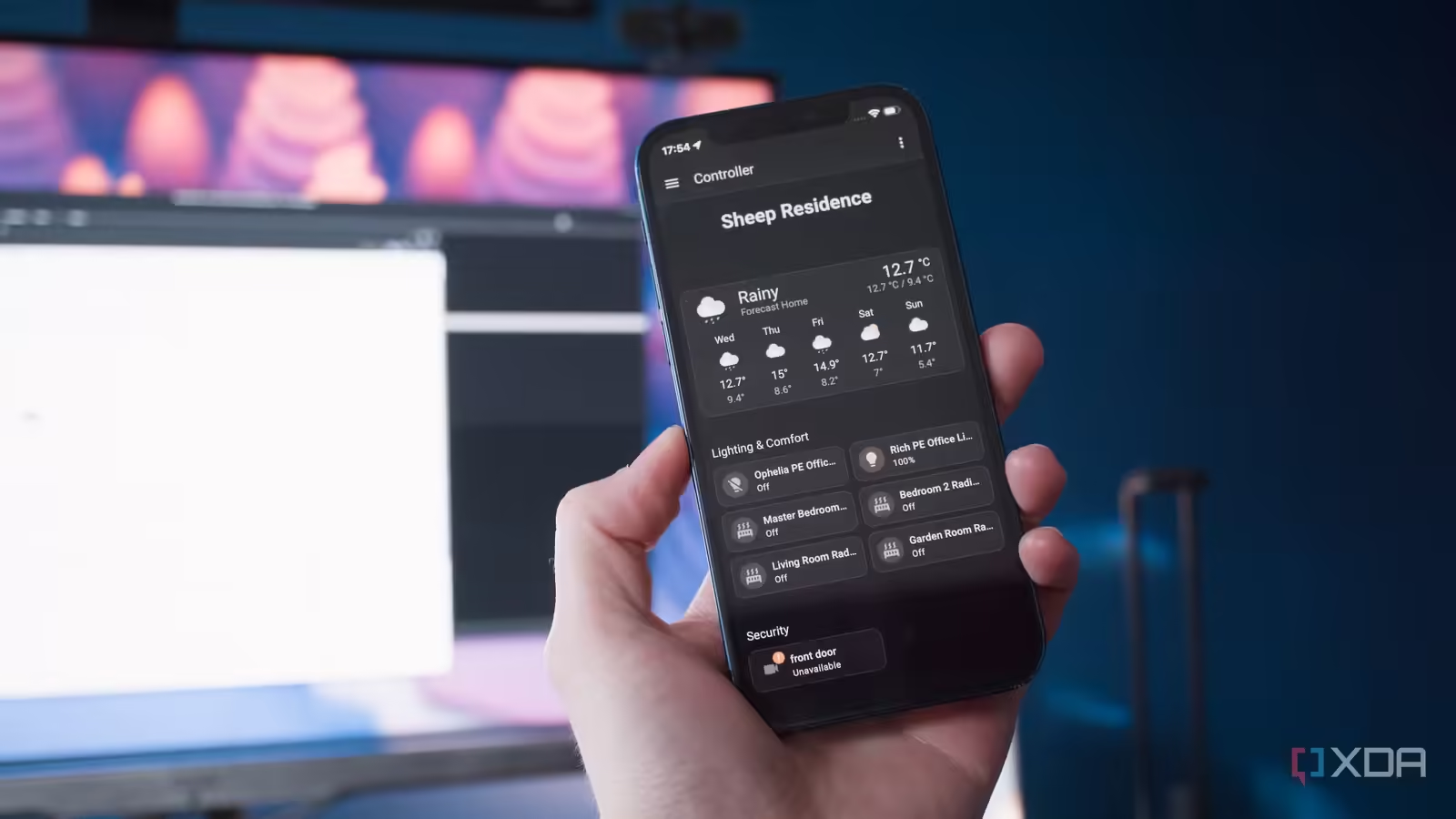
A compelling read on using Home Assistant and a power-monitoring smart plug to turn a "dumb" appliance into something genuinely smart - without any cloud subscriptions, without spending $1,200, and without replacing hardware that still works perfectly. The key insight: a washing machine's power draw tells a remarkably detailed story about where it is in its cycle. Pair that with open-source pattern-matching tools, and a $15 plug starts outperforming the native app on most branded smart appliances.
Google Wants a Little Bit of Your Home's Electricity

Google signed a three-year deal with Voltus to access up to 100 MW of distributed energy by aggregating tiny slivers of power from thousands of US households - smart thermostats, small batteries, and similar devices. When grid demand spikes, Voltus's software briefly reduces each device's load or discharges a small amount of stored power. No individual home should notice the difference. It's a drop in Google's actual data center energy bucket, but it's an interesting signal of where the smart home and grid infrastructure are starting to converge.
One Camera, Two Views: The Botslab W101
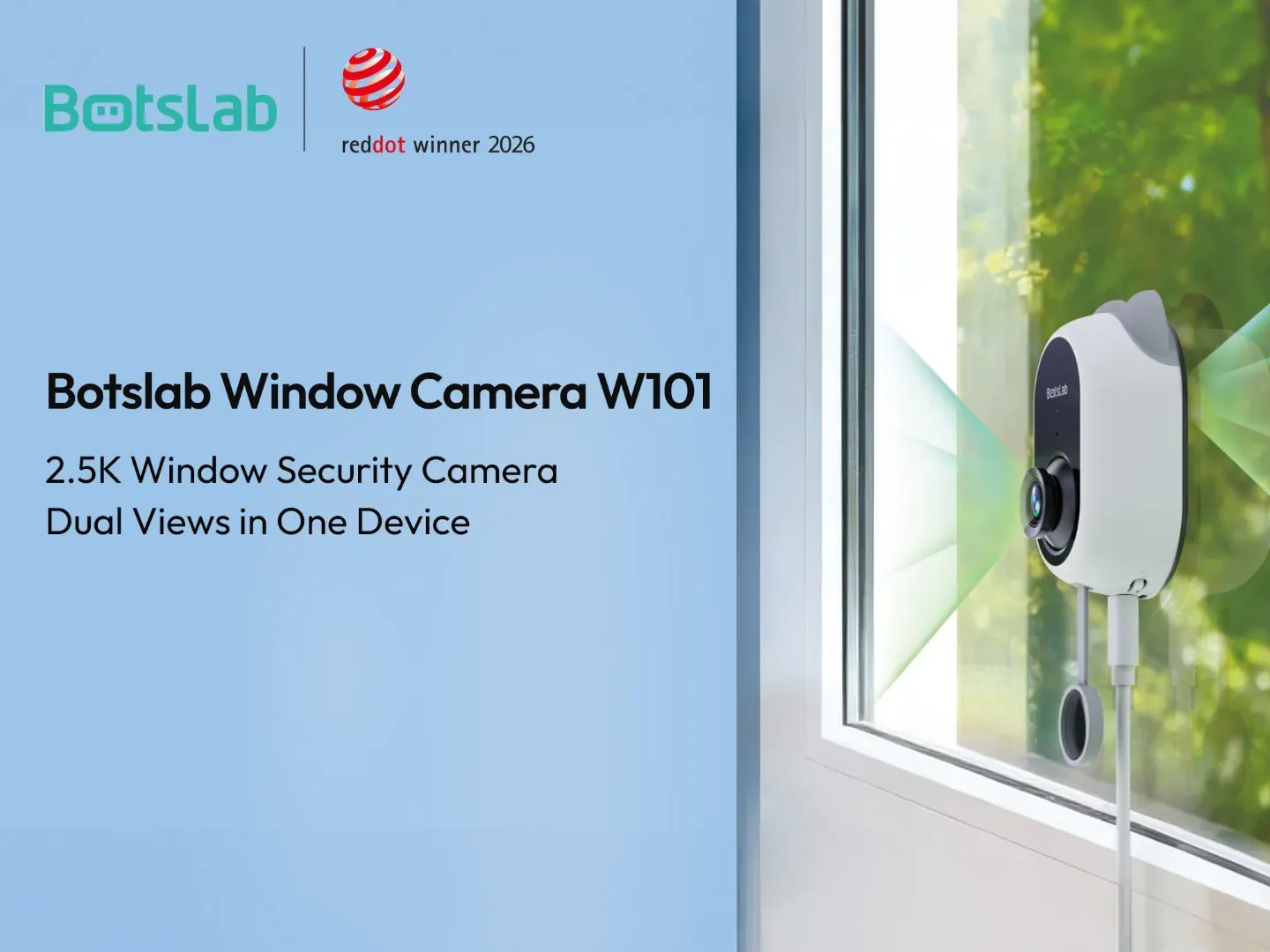
An interesting product that solves a real problem: the Botslab W101 is a window-mounted camera with two lenses - one facing out, one facing in - covering both sides of your home simultaneously. No drilling, no permanent installation, and it sticks to any glass with an adhesive mount. Useful for renters, for apartment residents, or anyone who's been putting off home security because installation felt like too much. 2.5K resolution on both lenses, f/1.0 color night vision, and a hybrid local/cloud storage model with no mandatory subscription.
That's June done.
Thanks for reading along, see you next month!